
Hospitality Marketing Trends 2026: What Hotels & Restaurants Must Focus On
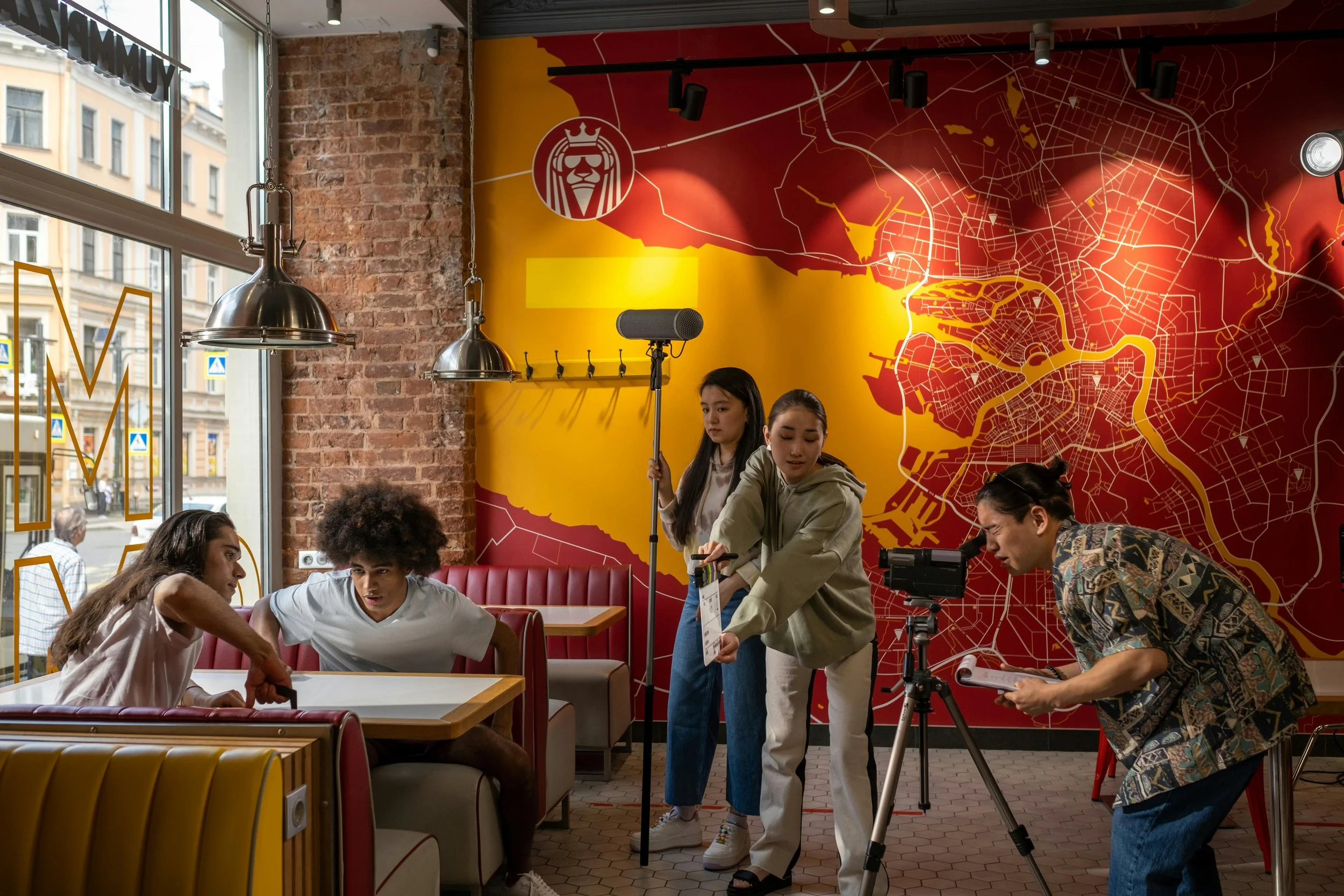
Imagine your hotel app suggests a rainy-day museum itinerary when the forecast suddenly changes. Or a restaurant you love texts you a special offer for your favorite dessert on your birthday. This isn't science fiction; it's where the best in the business are heading by creating a truly personal guest experience.
Now, think about the last time a clunky mobile website made you book elsewhere. In a world full of choices, these digital frustrations are dealbreakers. The gap between businesses that get this right and those that don't is widening. Customers now expect the same smooth, personalized service from a hotel as they do from Netflix or Amazon. What was once magic is now the standard.
Understanding the hospitality marketing trends for 2026 is about closing that gap. It’s not about complicated technology, but about using simple tools to make every guest feel seen and valued. These are the core trends shaping the future of hotel digital marketing and turning good service into an unforgettable memory.
Trend 1: Why Trust is Your New Five-Star Rating
Before booking, what’s the first thing most of us do? Check reviews and guest photos. By 2026, this won't just be a habit—it will be the foundation of all successful hotel marketing strategies. Potential customers trust the unfiltered experiences of past guests far more than a polished advertisement. Managing what people say about you online isn't a chore; it’s your most powerful tool for building a reputation that attracts new business.
Professional photos are important, but a customer's Instagram shot of your burger is often more convincing. This is the power of User-Generated Content (UGC)—free, authentic advertising from your biggest fans. It shows real people enjoying a real experience, creating a level of trust that a slick campaign can’t buy. This is a key difference when considering influencer marketing vs user-generated content for hotels; authenticity often wins.
(To see how strong digital strategy improves trust and results, explore our restaurant and hospitality case studies.)
But what about a negative review? While it might feel like a disaster, a public, thoughtful response can be a marketing goldmine. Ignoring a complaint makes you look indifferent, but addressing it shows you listen and care. In fact, a study by TripAdvisor found that 85% of users agree that a thoughtful response to a bad review improves their impression of a hotel. It proves there’s a real, attentive human behind the business.
Building this trust is the crucial first step. A simple way to start is by dedicating just 15 minutes a day to finding and responding to one new guest review, whether it's good or bad. Once you’ve earned a guest’s confidence, you must ensure they can act on it instantly.
Trend 2: Can Guests Book You Faster Than They Can Order a Pizza?
If a potential guest can order a pizza on their phone in 90 seconds but it takes them five minutes to figure out your booking calendar, you’ve already lost. In the digital world, any step that causes confusion or delay is called friction. This is especially true on mobile phones, where a clunky website that requires pinching and zooming is the number one reason customers give up and go to a competitor. A smooth digital path isn't a luxury; it's a direct line to your revenue. For more ways to improve guest experience online, explore our hospitality marketing and SEO services.
One of the best ways to remove this friction is with modern contactless technology. While QR codes gained popularity for health reasons, their lasting power is convenience. The benefits of contactless guest technology are about speed and ease—letting diners pull up a menu instantly or allowing hotel guests to check in on their phone and skip the front desk line. It makes the experience smoother for guests and frees up your staff.
Not sure if your digital front door is helping or hurting? Try this simple three-step “Friction Test” to see your business through a customer’s eyes:
1. Grab your phone and open your website.
2. Start a timer and try to complete one key action, like booking a table for two or finding rates for a weekend stay.
3. Stop the timer the moment you get confused, have to pinch-to-zoom, or can’t find a button. Was it truly effortless?
Fixing these small frustrations is a foundational part of the future of hotel digital marketing. By 2026, a seamless, fast, and intuitive digital experience will be the absolute minimum expectation. But making things easy is just the baseline; the real magic happens when you also make it personal.
Trend 3: From "Dear Guest" to "Welcome Back, Sarah"
Using a guest’s first name in an email is a nice touch, but by 2026, it will be the bare minimum. While making the booking process easy gets a customer in the door, making their experience personal is what will bring them back. Today’s guests don't just want a transaction; they want to feel a connection, and that starts with being remembered.
Think of it like the difference between a generic coffee chain and your favorite local barista who starts making your usual order the moment you walk in. That’s the idea behind hyper-personalization in the hospitality industry. It’s not just being friendly; it’s using what you know to make a guest feel seen, turning a good experience into a memorable one.
The real power of this trend lies in anticipating needs before a guest even has to ask. For example, if a returning couple celebrated their anniversary with you last year, a truly personalized message might offer them a complimentary bottle of champagne for their upcoming anniversary trip. This data-driven personalization in hotel marketing turns simple information into a thoughtful gesture that builds incredible loyalty.
This doesn’t require a massive budget. Start small by keeping a secure log of guest preferences, like a favorite table, a food allergy, or a preference for a room away from the elevator. When used to provide genuine value, this information isn’t intrusive—it’s just great service. This simple record-keeping does more than improve your service today; it builds the foundation for the powerful tools of tomorrow. For more strategic ideas to attract and retain guests, explore our effective restaurant marketing strategies.
Trend 4: How AI Will Become Every Business's Most Helpful Assistant
The term “Artificial Intelligence” might bring to mind complex robots, but for hospitality in 2026, it’s much simpler: think of AI as a tireless, incredibly efficient assistant. It’s a tool designed to handle repetitive tasks, freeing up your team to focus on what they do best—creating wonderful human experiences for your guests. This shift is a core part of the future of hotel digital marketing and restaurant management.
Imagine an AI-powered “chatbot” on your website. This smart messaging program can instantly answer common questions like, “What time is checkout?” or “Do you have vegan options?” It works 24/7, so guests get immediate help and your staff isn't tied up answering the same five questions all day. This simple automation means happier guests and a more productive team.
The real power of AI, however, comes from connecting it to guest data. It takes the information you’ve gathered—like a past stay or a favorite dish—and turns it into those “magic moment” marketing opportunities automatically. For example, AI can see that a guest who loves your burgers is in town and send them a perfectly timed text with a “2-for-1 burger” special. This is how AI will change restaurant marketing from broad messages to personal invitations. For inspiration on creating highly engaging hospitality content, check out our Instagram Reels ideas that drive reservations.
Ultimately, this technology helps you be more present and helpful, even when you’re not there. As guests increasingly use voice assistants like Siri and Alexa to find places, having your information ready for AI is key. Simple voice search optimization for local restaurants and hotels—like having your hours and menu easy to find online—ensures these smart assistants can recommend you to your next loyal customer.
Trend 5: Good for the Planet, Great for Your Brand
Technology helps create a smooth experience, but what truly builds loyalty is a sense of shared values. Today’s travelers, especially younger generations, aren't just buying a room or a meal; they're choosing to support businesses that reflect what they care about. This move from just providing a service to showing a purpose is one of the most powerful hospitality industry trends shaping the future.
This is where sustainable marketing comes in, but it’s not about generic claims like “we’re eco-friendly.” It’s about telling a genuine story. Maybe you partner with a local coffee roaster, source vegetables from a nearby farm, or donate leftover food to a community shelter. These are the authentic sustainable marketing strategies for hotels and restaurants that show you care about more than just your bottom line.
Instead of just a sign asking guests to reuse towels, that small note on your menu about the local farm does so much more. It creates a connection to your community, tells a story of quality, and makes guests feel genuinely good about their choice. This transparency is one of the most effective marketing strategies for Gen Z travelers, who are looking for brands they can trust.
You don’t need a grand, expensive plan to get started. Just identify one thing your business already does that supports your local community or the environment. It could be anything from showcasing local artists' work to your efforts to reduce plastic waste. The best first step is simply to start telling that one, true story.
Your 2026 Playbook: How to Start Creating Magic Today
The future of hospitality isn't about complex technology, but using it to become more thoughtful and human. The winning formula isn’t a secret reserved for big chains. It’s a focus on four key pillars: building Trust, offering Convenience, delivering Personalization, and showing your Purpose.
Mastering new marketing strategies starts with a single step. Here’s a simple hospitality marketing action plan you can finish in the next 20 minutes.
Your 4-Step "Start Today" Plan:
Respond to one new online review.
Test your own mobile booking process.
Write down one repeat guest's preference.
Post one story about a local supplier or green practice.
Each of these small actions sends a powerful message: you’re listening, you care, and you’re present. This is how you build loyalty and turn a first-time visitor into a regular. The future of hospitality doesn’t belong to the business with the biggest budget, but to the one that is most consistently and thoughtfully human.
Want a hospitality marketing strategy built for 2026? Book a free consult with our team and get a tailored plan for your hotel or restaurant.
Frequently Asked Questions
Q1: What is the biggest hospitality marketing trend for 2026?
Direct bookings are becoming the primary focus for hotels and restaurants. Rising OTA fees and traveler preference for booking perks make direct channels more important than ever.
Q2: Why is short-form video essential in the hospitality industry now?
Travelers rely heavily on TikTok, Instagram, and YouTube Shorts for inspiration. Realistic, simple videos showcasing the experience outperform polished commercials.
Q3: How does local SEO impact restaurants and hotels?
Most hospitality decisions start with “near me” searches. Optimizing your Google Business Profile improves visibility on Google Maps and increases direct calls, website visits, and reservations.
Q4: What role does AI play in hospitality marketing?
AI personalizes guest communication, predicts demand, and helps hotels/restaurants automate key touchpoints like email, reviews, and customer follow-ups.
Q5: How can hospitality brands build trust online?
Authenticity is key in 2026. Show your team, your process, and real guests. Respond to reviews, post consistently, and focus on content that feels human and honest.
