
Maximizing Local SEO for Hotels and Restaurants
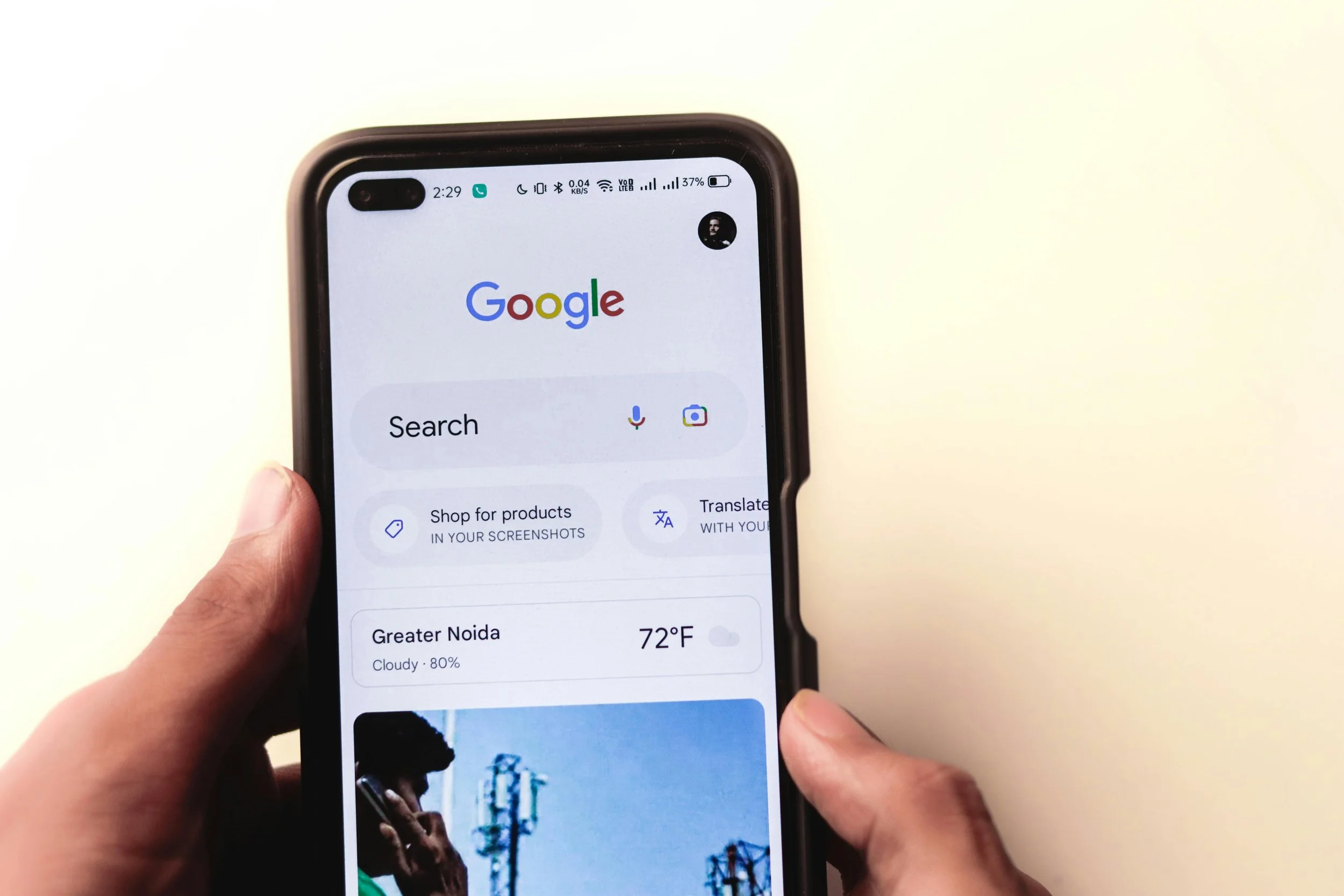
Imagine a family on vacation, driving through your town. They pull over and the passenger types 'family restaurant near me' into their phone. In that moment, Google shows them a map with three choices. Will your restaurant be one of them? More importantly, will it be the one they choose?
Getting your business on that map—and making it the most appealing choice—is the essence of local SEO for hospitality brands. Think of it as a digital billboard placed directly in front of someone actively looking for a hotel or restaurant. This isn't just about being seen; effective hospitality marketing translates directly into more phone calls, website clicks, and customers walking through your door.
This guide provides a simple, step-by-step action plan to help you appear higher on Google Maps and increase direct bookings from local search, turning online searchers into your next paying customers.
Your Most Important Digital Asset: Claiming Your Google Business Profile
You know that information box that appears on Google with photos, a map, a phone number, and reviews when you search for a local business? That isn’t just part of Google; it’s a specific, controllable listing called a Google Business Profile. Think of it as your digital storefront window. For potential guests or diners searching nearby, this profile is often their first impression of your establishment—and it’s a far more powerful first impression than your website's homepage.
This profile is the absolute foundation of your visibility on Google Maps. Because the information comes directly from you, the business owner, Google treats it as the primary source of truth for your location, hours, and services. Making sure you control this profile is the single most important step in any local SEO strategy for hotels or restaurants. It’s completely free and gives you direct access to the controls that influence how customers find and see you.
Getting started is simple. Open a Google search and type in your exact business name and city. If a profile for your business appears, look for a link that says “Own this business?” or “Claim this business.” Clicking this is your first step toward taking control. If nothing appears, don't worry—you can easily create a new profile from scratch.
How to Turn Your Google Profile into a Customer Magnet
Claiming your profile is just the first step. Now, it’s time to transform that basic listing into a powerful tool that convinces searchers to choose you. A complete, visually appealing profile doesn't just look professional; it directly answers a customer's unspoken questions and builds instant trust. Profiles with more photos and information simply get more clicks, calls, and direction requests.
Think of your profile’s details as digital checkboxes that help Google match you with the perfect customer. When you fill out your "Attributes," you’re telling Google you have "Free Wi-Fi," "Pet-friendly rooms," or "Outdoor seating." This is critical. It allows your hotel or restaurant to appear when a potential guest filters their search for those specific amenities, putting you in front of high-intent customers. High-quality photos of your dishes, rooms, and lobby are just as important—they are the number one factor that turns a looker into a booker.
You can also use your profile to post timely updates, just like a digital chalkboard outside your front door. This feature, called Google Posts, lets you announce a weekend dinner special, promote a last-minute room discount, or highlight an upcoming event. These posts appear directly on your profile for a limited time, providing a free and highly effective way to catch a searcher's eye with fresh, relevant information.
Here’s a simple optimization checklist:
Add at least 10 high-quality photos (your best dishes/rooms, exterior, lobby).
Select your precise primary category (e.g., "Boutique Hotel," not just "Hotel").
Fill out all relevant amenities/attributes like "Free Wi-Fi" and "Wheelchair accessible."
Write a compelling business description that highlights what makes you unique.
Create your first Google Post about a current special or event.
Why Online Reviews Are Your Digital Word-of-Mouth (And How to Manage Them)
Once your profile is set up, online review management for hospitality becomes your most important daily task. Think of reviews as today’s word-of-mouth recommendations, visible to everyone. Responding to every review—good and bad—is crucial. When you reply, you’re not just talking to one person; you're showing every future guest (and Google) that you are an active, caring owner. This engagement is a powerful signal that helps you rank higher and builds the trust needed to turn a searcher into a customer.
No one likes getting a bad review, but your response is a golden opportunity to win over the next person reading it. Avoid getting defensive. A simple, public reply that says, "Thank you for the feedback. We're sorry to hear your experience didn't meet our standards and will look into this," is more powerful than a dozen perfect reviews. This simple formula for how to respond to negative hotel reviews shows prospective customers that you take service seriously and can turn a negative into a net positive for your reputation.
Of course, a steady stream of positive feedback is essential to increase direct bookings from local search. The easiest way to get more reviews is to simply ask happy customers. Train your front desk or waitstaff to end a great interaction with, "We’re so glad you enjoyed your stay! If you have a moment, sharing your experience on Google really helps us out." This small change in process can have a huge impact on your star rating and, ultimately, your bottom line.
Making Your Website a Local Search Hub
While your Google Profile gets a potential guest’s attention, your website is where you seal the deal. The most important tweak you can make is to your page titles. Think of a page title as the large sign above your business’s front door; it needs to say who you are and where you are. Instead of a generic title like “Our Rooms,” a page titled “Boutique Hotel Rooms in Downtown Springfield” instantly tells Google that you are a perfect match for someone searching for a hotel in that specific area.
Beyond your homepage, think about what makes your business special. If customers are always looking for your rooftop bar or asking about wedding packages, create a dedicated page on your site for each one. This simple local SEO strategy for hotels helps you appear when someone searches for that exact service. It’s like having a specific brochure for your most profitable offerings. To reinforce this, make sure your full business name, address, and phone number are clearly visible on every single page, usually in the footer. This constantly reaffirms your location and builds Google’s confidence in your business.
By turning your website into a local information hub, you’re sending all the right signals to search engines and making it incredibly easy for customers to find the information they need. You’re confirming your location and highlighting your best services. But your website is just one piece of the puzzle. To truly earn Google's trust, the information about your business must be consistent everywhere it appears online.
What Are Local Citations? The Secret to Building Trust with Google
Think of it like this: every time your business is mentioned online on a site other than your own, it’s like an entry in a giant digital phonebook. Marketers call these mentions “citations,” and they are simply your business Name, Address, and Phone number (or NAP). These appear on essential travel directories like TripAdvisor, social media sites like Facebook, and local tourism guides. For a new business, intentionally building local citations for a new hotel helps Google discover you faster.
Now, imagine a potential guest finds your hotel listed on Yelp with one phone number, but your own website shows a different one. They get confused, and you might lose the booking. Google reacts the same way. When your NAP information is inconsistent—for example, using "St." on one site and "Street" on another—it erodes Google's trust. This confusion can directly hurt your ranking because Google isn't confident about which information is correct, a key factor that separates local SEO vs organic SEO for resorts. Consistent information proves you are who and where you say you are.
You can check for these errors in under five minutes. Go to Google and search for your business’s name, then look past your own website at the other results. Is the address exactly the same? Is the phone number identical? This first step of finding and correcting errors, known as achieving NAP consistency, is the foundation for getting found. This audit is especially critical for groups managing NAP consistency for multi-location hotels, as errors can multiply quickly. Getting this right is a prerequisite for any successful local strategy.
Your 30-Day Action Plan to Win More Local Customers
You no longer have to see local SEO as a complex task for someone else. You now understand the direct line between your online presence and your bottom line—the core of modern hospitality marketing. You have the power to turn online searches from curious strangers into paying guests walking through your door.
Here are the most important local SEO tips in a simple four-week action plan:
Week 1: Claim and fully complete every single section of your Google Business Profile.
Week 2: Respond to your 10 most recent reviews and create a simple plan to ask for new ones.
Week 3: Check your website's homepage title and contact page for your city name and correct address.
Week 4: Google your business and check that your address and phone number are identical on 5 major sites like Yelp or TripAdvisor.
After a month, check the 'Performance' tab in your Google Business Profile. Are you getting more phone calls, website clicks, or direction requests? That’s your proof. You’re not just "doing SEO"; you’re putting a digital welcome mat out for every customer searching nearby.
Want help improving your local visibility and showing up in the Maps 3-Pack? Book a free consultation and we’ll guide you through the steps.
Frequently Asked Questions
Q1: What is local SEO and why does it matter for hotels and restaurants?
Local SEO helps your business appear in Google Maps and “near me” searches, which is where most hotel and restaurant decisions begin. When someone searches for “best brunch near me” or “hotel in downtown,” Google prioritizes businesses with complete, consistent, and active local signals. Strong local SEO increases calls, website clicks, reservations, and walk-ins — all without paying for ads.
Q2: How long does it take to see results from local SEO?
Most hotels and restaurants begin seeing movement within 30 to 60 days, depending on how optimized their Google Business Profile is and how consistent their reviews and citations are. Local SEO grows through steady activity, which means small weekly updates (photos, posts, reviews) compound over time.
Q3: What kind of photos help the most on Google?
Photos that feel real and useful to guests perform best. For restaurants, this means food, ambiance, and exterior shots. For hotels: rooms, lobby, exterior, and amenities. Natural light always works better than flash. Google rewards businesses that upload fresh photos consistently, as it signals activity and credibility.
Q4: How often should hotels and restaurants post on their Google Business Profile?
Once per week is ideal. Google Posts are short and free, and regular updates show Google your business is active. Even a simple post — weekend special, event, promo, or a featured dish or room — helps maintain visibility in Maps and local search.
Q5: How important are reviews for local SEO?
Extremely important. Reviews influence both your ranking and your click-through rate. Google sees fresh, positive reviews as proof that your business delivers good service. Responding to every review (good and bad) helps with rankings and signals to future guests that you are attentive and professional.
Q6: What are local citations, and do I really need them?
Local citations are listings of your business name, address, and phone number on sites like Yelp, TripAdvisor, Facebook, and local tourism directories. Google compares these listings to confirm your location and legitimacy. When your NAP is consistent across the web, your ranking improves. If your info is inconsistent, Google trusts you less and may rank you lower.
Q7: Does my website still matter if I have a Google Business Profile?
Absolutely. Your Google Profile gets you discovered, but your website closes the deal. Clear page titles, your city name in key sections, visible contact info, and dedicated pages for your most important offerings help your site rank above competitors and support your local SEO overall.
Q8: Should I invest in SEO tools or paid ads to improve local SEO?
Not at the beginning. For restaurants and hotels, the highest-impact local SEO wins are completely free: verifying your profile, updating photos, responding to reviews, posting weekly, fixing NAP inconsistencies, and adding clear location-based titles to your website. Paid ads and SEO tools are helpful later, but not required to get strong early results.
