
Restaurant Social Media Content Ideas That Actually Drive Reservations
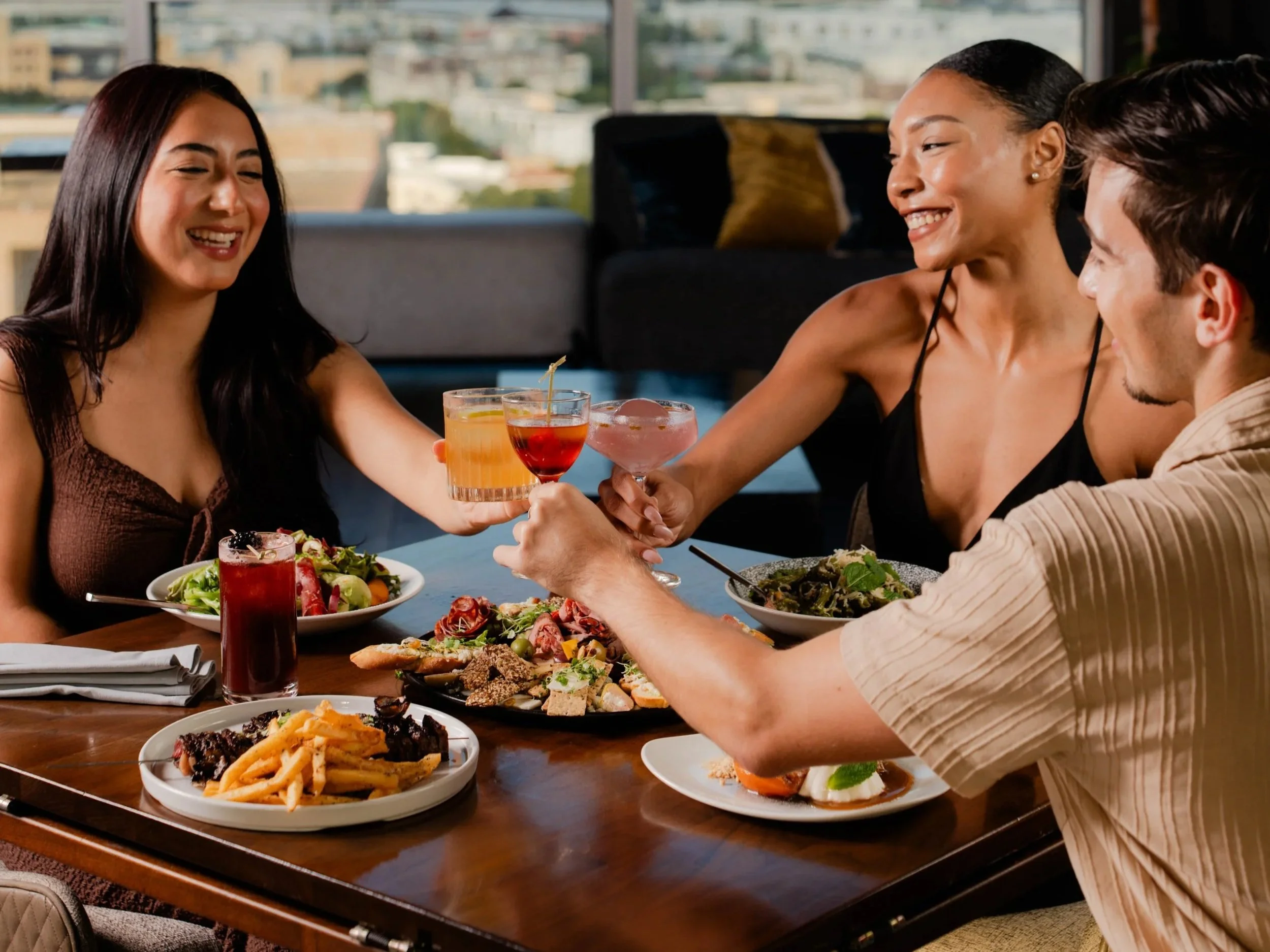
Looking for restaurant social media content ideas that do more than collect likes? Start with content that helps potential guests picture themselves dining at your restaurant, gives them a reason to visit, and makes booking a table easy.
Some of the most useful content formats include behind-the-scenes videos, menu spotlights, dining experience Reels, employee recommendations, customer testimonials, and event promotions.
The goal isn't just to make someone stop scrolling. It's to turn that interest into a reservation.
According to the National Restaurant Association's 2025 State of the Restaurant Industry report, 76% of adults agreed that social media is a good way to learn about restaurants in their area. That makes social media an important discovery channel, but getting discovered is only the first step.
Here's how restaurants can create content that encourages customers to take the next one.
Key Takeaways: What Restaurant Social Media Content Works Best?
Show the experience, not just the food. Give potential guests a sense of the atmosphere, service, and occasions your restaurant is perfect for.
Put real people on camera. Chefs, bartenders, servers, and managers can make your restaurant feel more approachable and memorable.
Give customers a reason to visit. Promote seasonal menus, special events, signature dishes, and experiences worth planning around.
Make reservations easy. Include clear calls to action and accessible booking links.
Measure more than engagement. Track reservation link clicks, website traffic, and bookings whenever reliable tracking is available.
The strongest restaurant social media strategy combines content that attracts attention with content that helps customers make a dining decision.
10 Restaurant Social Media Content Ideas That Encourage Reservations
Not every restaurant post needs to be a sales pitch. In fact, a good content strategy should balance entertainment, inspiration, useful information, and invitations to visit.
Here are ten practical ideas restaurants can incorporate into their monthly content calendars.
1. Show What a Night at Your Restaurant Looks Like
People aren't always choosing a restaurant based on what's on the menu. They're choosing where to celebrate, unwind, catch up with friends, or spend a date night.
Create short-form videos that show the full dining experience.
Content ideas:
A date night from arrival to dessert
Dinner and cocktails with friends
A Friday evening at your restaurant
The transition from a quiet dining room to a lively dinner service
Capture guests walking in, cocktails being served, dishes arriving at the table, and the restaurant's atmosphere.
For a rooftop bar, highlight sunset views and evening cocktails. For a fine-dining restaurant, focus on the details that make the experience special.
Example caption: "Your next date night deserves a table like this. Make your reservation through the link in our bio."
The objective is to help viewers imagine themselves there and give them a simple next step.
2. Feature Your Most Popular or Signature Menu Items
Food photography is essential, but a menu spotlight can do more than display a finished plate.
Show the dish being prepared, plated, served, or enjoyed. Add a short explanation of what makes it special.
Content ideas:
Three dishes to try on your first visit
A chef explaining their favorite entrée
Your restaurant's signature cocktail being made
A close-up of a seasonal menu addition
For a San Antonio restaurant, this might mean featuring a signature Tex-Mex dish, a tableside preparation, or a cocktail inspired by local flavors.
The key is to make the content specific. Instead of simply writing "Dinner is served," explain why the dish is worth ordering.
Example caption: "First time dining with us? Start with our signature [dish name]. Explore the full menu and reserve your table."
3. Put Your Team in Front of the Camera
Your employees know your restaurant better than anyone.
Letting chefs, bartenders, servers, and managers share their recommendations adds personality while answering questions potential guests may already have.
Content ideas:
"What our chef would order for dinner"
"A bartender's favorite cocktail on the menu"
"Three things to know before visiting us"
"Our manager's ideal dinner order"
These videos don't need to feel overly produced. A short, natural conversation can be more inviting than a scripted advertisement.
For example, a server could recommend an appetizer, entrée, and dessert for someone visiting for the first time.
End with an invitation to try the recommendations in person.
4. Create Content Around Specific Dining Occasions
Give potential guests an answer to the question: "Where should we go?"
Instead of marketing your restaurant to everyone at once, create content around occasions that match your offerings.
Examples include:
Anniversary dinners
Birthday celebrations
Weekend brunch
Business lunches
Date nights
Group dinners
Pre-concert dining
Holiday gatherings
A restaurant near San Antonio's River Walk, for example, could create a Reel showing where to enjoy dinner before an event at the Majestic Theatre.
A hotel restaurant could highlight an easy dinner option for guests arriving after a day of sightseeing.
Example on-screen text: "POV: You found your new favorite spot for date night in San Antonio."
Occasion-based content helps customers connect your restaurant with plans they're already making.
5. Promote Seasonal Menus and Limited-Time Experiences
Seasonal offerings give restaurants a timely reason to reach out to their audience.
Whether you're introducing a fall cocktail menu, holiday dining experience, or special chef collaboration, create content that communicates what is available and when guests can enjoy it.
Content ideas:
A first look at a new seasonal menu
Behind-the-scenes preparation for a special dinner
A countdown to a ticketed dining experience
A chef introducing a limited-time dish
Include the date, availability, relevant pricing when appropriate, and booking instructions.
For limited-capacity events, use urgency only when it's accurate. Don't claim that reservations are almost full unless that information has been confirmed.
6. Share Behind-the-Scenes Restaurant Content
Behind-the-scenes videos offer a closer look at the work that goes into the dining experience.
These posts can help guests appreciate the preparation, creativity, and people behind the restaurant.
Content ideas:
A morning in the kitchen before service
Preparing ingredients for the evening
A bartender testing a new cocktail
The dining room being set before guests arrive
A chef preparing a signature dish
For wineries and tasting rooms, this approach can extend to wine service, tasting preparation, or a look at the people behind the experience.
Keep the videos focused on one interesting process rather than trying to show everything at once.
7. Turn Customer Reviews Into Social Proof
Positive guest feedback can help potential customers feel more confident about making a reservation.
With appropriate permission, restaurants can turn reviews and guest experiences into content.
Content ideas:
A graphic featuring a genuine guest review
A Reel showing the experience described in a review
A guest testimonial about a special occasion
A carousel highlighting frequently praised menu items
For example, if a customer compliments the atmosphere and service during an anniversary dinner, pair an approved review excerpt with footage of the dining room.
Avoid changing the meaning of a review, inventing testimonials, or presenting paid endorsements as unsolicited feedback.
Real experiences are more useful than exaggerated promises.
8. Use Local Events to Give Guests a Reason to Visit
Restaurants can connect their content calendars to what's happening in their communities.
In San Antonio, that might include Fiesta, seasonal River Walk events, concerts, conventions, or major sporting events.
Content ideas:
"Where to grab dinner before tonight's concert"
"Your downtown San Antonio weekend itinerary"
"Make us your first stop before exploring the River Walk"
"Where to celebrate after the big game"
Keep recommendations accurate and relevant to your restaurant's location, hours, and offerings.
Hotels, resorts, tourism brands, and event venues can use the same approach by connecting their experiences to nearby attractions and seasonal activities.
Local content can help people discover your business while they're actively planning an outing.
9. Highlight Private Dining and Group Reservations
Private dining can be an important revenue opportunity, but customers may not know your restaurant offers it.
Show the space, explain the experience, and make the inquiry process clear.
Content ideas:
A walkthrough of your private dining room
A table being prepared for a group celebration
A look at available event menus
A behind-the-scenes setup for a corporate dinner
A Reel showing different ways to celebrate at your restaurant
Example caption: "Planning a birthday dinner, company celebration, or special occasion? Explore our private dining options and inquire about availability."
For event venues and resorts, similar content can promote rehearsal dinners, corporate retreats, and group experiences.
Send interested customers to a dedicated private events inquiry page rather than making them search for information.
10. Make Reservation-Focused Content Part of Your Regular Schedule
Sometimes, the most effective message is also the simplest.
Your audience may already know your restaurant and want to visit. They just need a reminder and a convenient way to book.
Create occasional posts that directly invite customers to make a reservation.
Content ideas:
"Your weekend dinner plans, handled"
"Looking for a spot for date night?"
"Make this the week you finally try us"
"Dinner plans? We've got a table waiting" (only when availability is confirmed)
Pair the message with compelling footage of the dining experience and a clear booking call to action.
The goal is not to turn every post into an advertisement. It's to make sure your content occasionally gives interested followers a direct opportunity to become guests.
Which Restaurant Social Media Content Should You Prioritize?
Different types of content serve different purposes. Some help new customers discover your restaurant, while others encourage people who are already interested to make a reservation.
| Content Type | Primary Goal | Example |
|---|---|---|
| Dining experience Reels | Build interest | A date night from cocktails to dessert |
| Menu spotlights | Create desire | Chef's three favorite dishes |
| Employee talking videos | Build familiarity | Bartender's cocktail recommendations |
| Seasonal promotions | Encourage timely action | Holiday dinner reservations |
| Guest testimonials | Build confidence | Genuine review with dining footage |
| Private dining features | Generate inquiries | Tour of an event space |
| Reservation reminders | Encourage bookings | Weekend dinner invitation |
A well-rounded content calendar should include several of these formats rather than relying entirely on food photos or promotional graphics.
How Do You Turn Social Media Engagement Into Restaurant Reservations?
Creating engaging content is only half the equation. Restaurants also need to make it easy for potential guests to take action.
Here are five steps to connect your social media strategy to actual booking opportunities.
Step 1: Make Your Reservation Link Easy to Find
Check that your Instagram and Facebook profiles direct visitors to a working reservation page.
If you use a link-in-bio page, make reservations one of the most prominent options.
Customers shouldn't have to navigate several unrelated pages to book a table.
Google Business Profile can also support restaurant reservation links and eligible booking integrations. Keep those links updated alongside your social media profiles.
Step 2: Use Clear Calls to Action
A call to action (CTA) tells your audience what to do next.
Instead of ending every caption with "Come see us," use language that matches the content.
For example:
Date night Reel: "Plan your next date night. Reserve your table."
New menu post: "Explore the menu and book your next visit."
Private dining feature: "Inquire about hosting your next event."
Weekend brunch video: "Make your weekend plans and book brunch."
The best CTA feels like a natural continuation of the post.
Step 3: Use Instagram Stories to Encourage Action
Instagram Stories are useful for sharing timely updates with an audience that's already familiar with your restaurant.
Restaurants can use Stories to highlight:
Upcoming events
New menu items
Weekend dining reminders
Special experiences
Reservation links
Where available, use link stickers to send viewers directly to the appropriate booking page.
For time-sensitive offers, make sure the information is current before publishing.
Step 4: Track Website Traffic and Reservation Activity
Likes and views can show whether content is attracting attention, but they don't tell the whole story.
Monitor metrics such as:
Profile visits
Reservation link clicks
Website visits from social media
Private dining inquiries
Completed reservations attributed to campaigns, when tracking allows
Use UTM parameters, which are short tracking tags added to URLs, to identify traffic coming from specific social platforms or campaigns.
For example, a restaurant might use a tagged reservation link for an Instagram campaign and compare that traffic with its booking platform's available reporting.
Keep in mind that a link click is not the same as a completed reservation. Attribution can also be incomplete when customers switch devices or book through another channel.
Step 5: Adjust Your Content Based on Results
Review your content performance regularly.
If employee talking videos consistently generate strong engagement and profile visits, test additional videos featuring different team members.
If a seasonal menu campaign generates reservation traffic, consider using a similar approach for the next launch.
Look for patterns over time rather than making decisions based on one viral post.
How Often Should Restaurants Post on Social Media?
Restaurants should choose a posting schedule they can maintain consistently without sacrificing content quality.
There isn't one ideal frequency for every restaurant.
A practical starting point is three feed posts per week, supported by timely Stories and regular audience engagement. Treat this as a planning example, not a universal benchmark.
Here's what a sample week could look like:
A restaurant launching a new menu may need more frequent content during the campaign, while a smaller operation may benefit from a simpler schedule.
Consistency, relevance, and a clear purpose matter more than posting just to fill the calendar.
| Day | Content | Goal |
|---|---|---|
| Monday | Chef or employee talking Reel | Build familiarity |
| Wednesday | Signature dish or dining experience Reel | Create interest |
| Friday | Weekend dining feature or reservation reminder | Encourage bookings |
| Throughout the week | Stories featuring menu items, atmosphere, and updates | Stay visible |
Should Restaurants Focus on Instagram, Facebook, or TikTok?
The right social media platform depends on your audience, resources, and marketing goals.
Instagram is a useful starting point for visually driven restaurant marketing. Reels, Stories, and photo carousels allow restaurants to showcase dishes, atmosphere, and experiences.
Facebook can support local community engagement, events, restaurant updates, and paid campaigns.
TikTok offers opportunities for short-form storytelling, employee-led content, food preparation videos, and creative restaurant concepts.
Rather than trying to be everywhere, start with the platforms where your target customers are active and where your team can create quality content consistently.
Restaurants should also maintain accurate Google Business Profiles, since customers may discover a restaurant on social media and then search Google Maps for its menu, location, hours, or reservation options.
When Should Restaurants Invest in Professional Content Creation or Social Media Management?
The right support depends on what's preventing your restaurant from marketing consistently.
Content creation focuses on producing assets such as professional photography, Reels, short-form videos, and graphics.
Social media management covers the broader process of planning, publishing, monitoring, and improving your social media presence.
If your restaurant has a strong internal marketing team but lacks high-quality photography or video, professional content creation may be the best starting point.
If your team struggles to maintain a consistent posting schedule, develop campaigns, or analyze performance, ongoing social media management may be more useful.
For restaurants that need both creative production and strategy, combining these services can provide a more coordinated approach.
Paid social advertising may also be worth considering when promoting a specific event, reaching a targeted local audience, or testing campaigns with measurable booking goals.
The right investment should reflect your restaurant's business objectives, internal resources, and budget.
Common Restaurant Social Media Mistakes to Avoid
Even great-looking content can fall short when it isn't connected to a larger strategy.
Here are five common mistakes worth addressing.
1. Posting only food photos. Beautiful dishes matter, but customers also want to understand the experience. Include people, atmosphere, and service.
2. Following every trend. A trending audio clip isn't automatically relevant to your restaurant. Choose trends that fit your brand and audience.
3. Forgetting the reservation CTA. Give interested viewers an easy way to book without making every post feel overly promotional.
4. Measuring success only through likes. Engagement is useful, but website traffic, inquiries, and reservation activity provide additional context.
5. Creating content without a plan. Build your calendar around menu launches, seasonal opportunities, local events, and business priorities.
A more intentional strategy helps restaurants create content that supports the guest experience before customers even walk through the door.
How Eat It Up Marketing Helps Restaurants Create Content With Purpose
At Eat It Up Marketing, we understand that hospitality marketing is about more than making a restaurant look good online.
It's about showing people what makes a dining experience worth choosing.
As a San Antonio-based hospitality marketing agency working with brands across Texas and the United States, we bring together social media strategy, content creation, photography, video production, and digital marketing to help restaurants connect with their audiences.
Whether you're introducing a new menu, building awareness for your restaurant, promoting private dining, or looking for a more consistent social media presence, the right strategy starts with understanding your business goals.
We help turn those goals into content worth sharing and campaigns designed to encourage meaningful action.
Final Thoughts: Restaurant Social Media Content Should Lead Somewhere
The best restaurant social media content ideas do more than showcase what's on the menu. They help customers imagine the experience, understand why they should visit, and know exactly how to make a reservation.
Start with authentic dining experiences, recognizable faces, useful recommendations, and timely reasons to book.
Then connect your content to a clear reservation process and measure what happens beyond the feed.
Ready to make your restaurant's social media work harder?
Eat It Up Marketing helps hospitality brands build thoughtful social media strategies and create content that supports real business goals.
Let's talk about what's next for your restaurant.
Frequently Asked Questions About Restaurant Social Media Marketing
What type of social media content is best for restaurants?
Restaurants should prioritize a mix of dining experience videos, signature dish features, employee recommendations, guest testimonials, and seasonal promotions. The most useful content helps customers understand the experience and gives them a reason to visit.
Can social media actually increase restaurant reservations?
Social media can contribute to reservations by helping customers discover restaurants, evaluate dining experiences, and access booking links. Restaurants should track reservation traffic and completed bookings where possible rather than assuming engagement automatically produces sales.
How often should a restaurant post on Instagram?
A restaurant can start with approximately three quality feed posts per week and adjust based on available resources and performance. There is no universal ideal posting frequency. Consistent, relevant content is more important than posting every day.
Are Instagram Reels better than photos for restaurant marketing?
Neither format is always better. Reels can demonstrate atmosphere, food preparation, and experiences in motion, while photos and carousels can showcase menu details, promotions, and useful information. Restaurants should test both formats and evaluate their performance against specific goals.
What should restaurants include in their social media captions?
Restaurant captions should provide useful context, such as what makes a dish special, when an experience is available, or why someone should visit. When appropriate, finish with a clear call to action directing customers to the menu, reservation page, or event inquiry form.
How can restaurants track reservations from Instagram?
Restaurants can use tagged reservation URLs, website analytics, and booking platform reporting to evaluate traffic and conversions from Instagram. Tracking accuracy depends on the reservation system and how customers complete their bookings.
Should a restaurant hire a social media marketing agency?
Hiring an agency may be worthwhile when a restaurant lacks the time, creative resources, or expertise to maintain a consistent marketing strategy. An agency can support content planning, production, publishing, campaign management, and performance analysis based on the agreed scope of work.
