
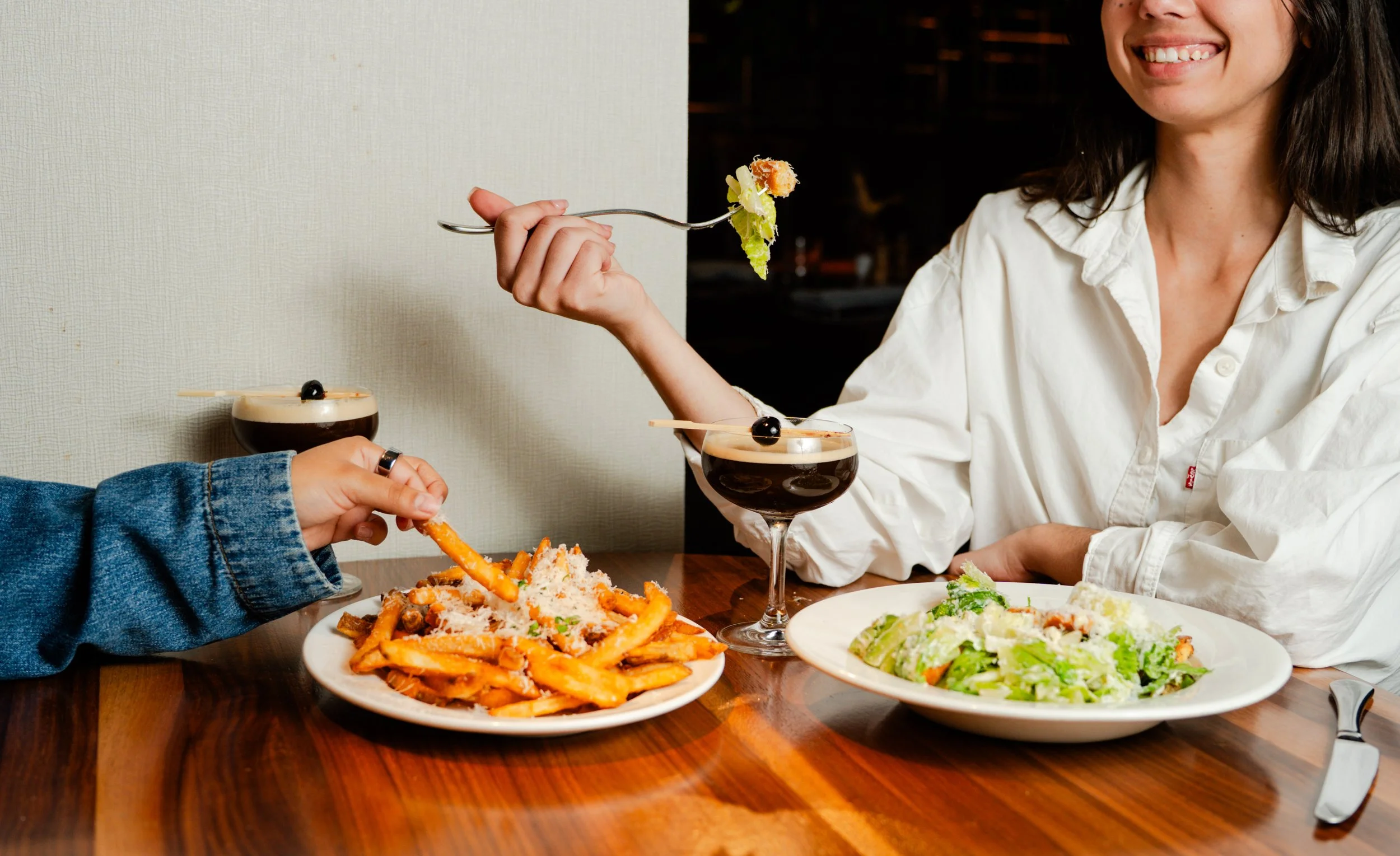
Professional restaurant photography helps businesses showcase their food, atmosphere, and overall dining experience. High-quality images can strengthen a restaurant's first impression, create a more consistent brand identity, and provide content for websites, social media, and advertising. For restaurants competing for customers' attention, photography is more than decoration. It's a valuable part of their marketing strategy.
Key Takeaways
Professional photography helps communicate what makes your restaurant unique.
Food photography is important, but atmosphere, people, and experiences deserve attention too.
A single well-planned photoshoot can produce content for multiple marketing channels.
Consistent imagery helps restaurants maintain a recognizable visual identity.
The best photography strategy depends on your restaurant's audience, brand, and marketing goals.
Why Is Professional Restaurant Photography Important?
Think about the last time you looked up a restaurant you hadn't visited before. Chances are, you wanted to see what the food looked like, explore the atmosphere, or get a feel for the overall experience.
Your potential customers are doing the same thing.
Whether they're browsing Instagram, exploring a restaurant's website, or comparing local dining options on Google, photography helps them understand what to expect.
Professional restaurant photography gives businesses greater control over how they're presented online.
Instead of relying on inconsistent lighting, angles, or image quality, restaurants can create a cohesive collection of photos that accurately reflects their food and environment.
And while beautiful food photos might capture someone's attention, the real opportunity is showing what makes the restaurant worth visiting.
How Does Professional Photography Strengthen Restaurant Branding?
Restaurant branding goes beyond a logo, color palette, or menu design. It's the personality and experience customers associate with your business.
Photography plays an important role in communicating that identity.
Create a Consistent Visual Style
Imagine a fine-dining restaurant with elegant interiors and carefully plated dishes.
Now imagine its Instagram feed filled with dark, blurry phone photos.
The disconnect can make it difficult for customers to understand the experience the restaurant wants to offer.
Professional photography helps maintain consistency in lighting, composition, and overall visual direction.
For example, a luxury restaurant might use warm lighting, detailed food close-ups, and sophisticated lifestyle imagery.
A casual neighborhood bar might benefit from energetic photos of friends enjoying drinks, bartenders preparing cocktails, and lively weekend crowds.
Neither approach is automatically better. The goal is to make sure the imagery matches the brand.
Show Customers What Makes You Different
Every restaurant has something that makes it special.
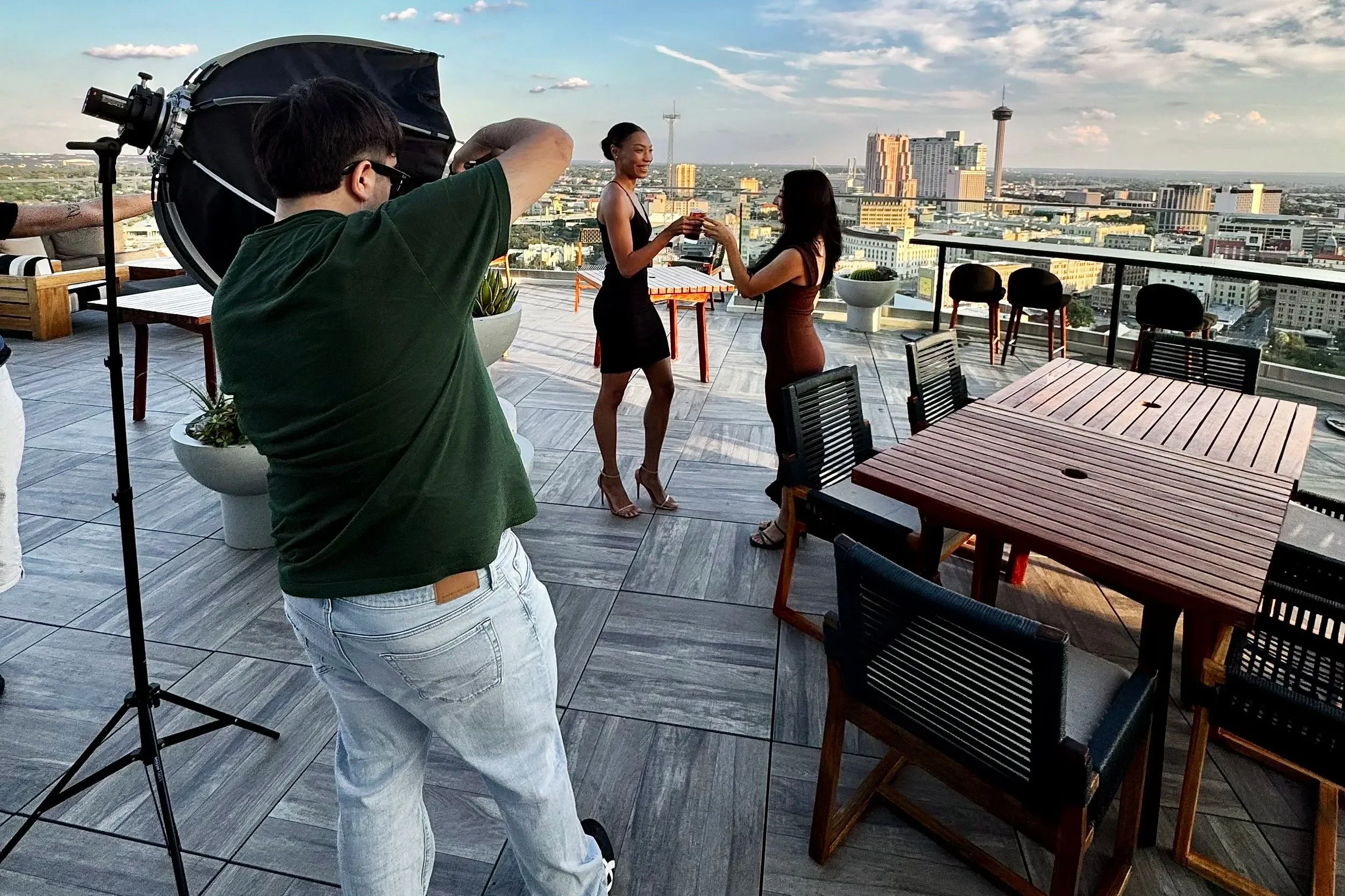
Maybe it's a rooftop overlooking downtown San Antonio, a chef-driven menu, a thoughtfully designed dining room, or an impressive cocktail program.
Those details deserve to be seen.
Professional photography allows restaurants to intentionally highlight their most distinctive features instead of leaving their visual storytelling to chance.
What Types of Photos Should Every Restaurant Have?
A strong restaurant photo library should include more than individual menu items.
Here are five categories worth incorporating into your next photoshoot.
1. Food Photography
Food photography showcases the dishes your restaurant wants customers to order.
Capture signature entrées, appetizers, desserts, and seasonal menu additions.
Use a combination of close-up images and wider table spreads to provide variety.
For example, a restaurant launching a new dinner menu might photograph individual dishes alongside a complete dinner setting.
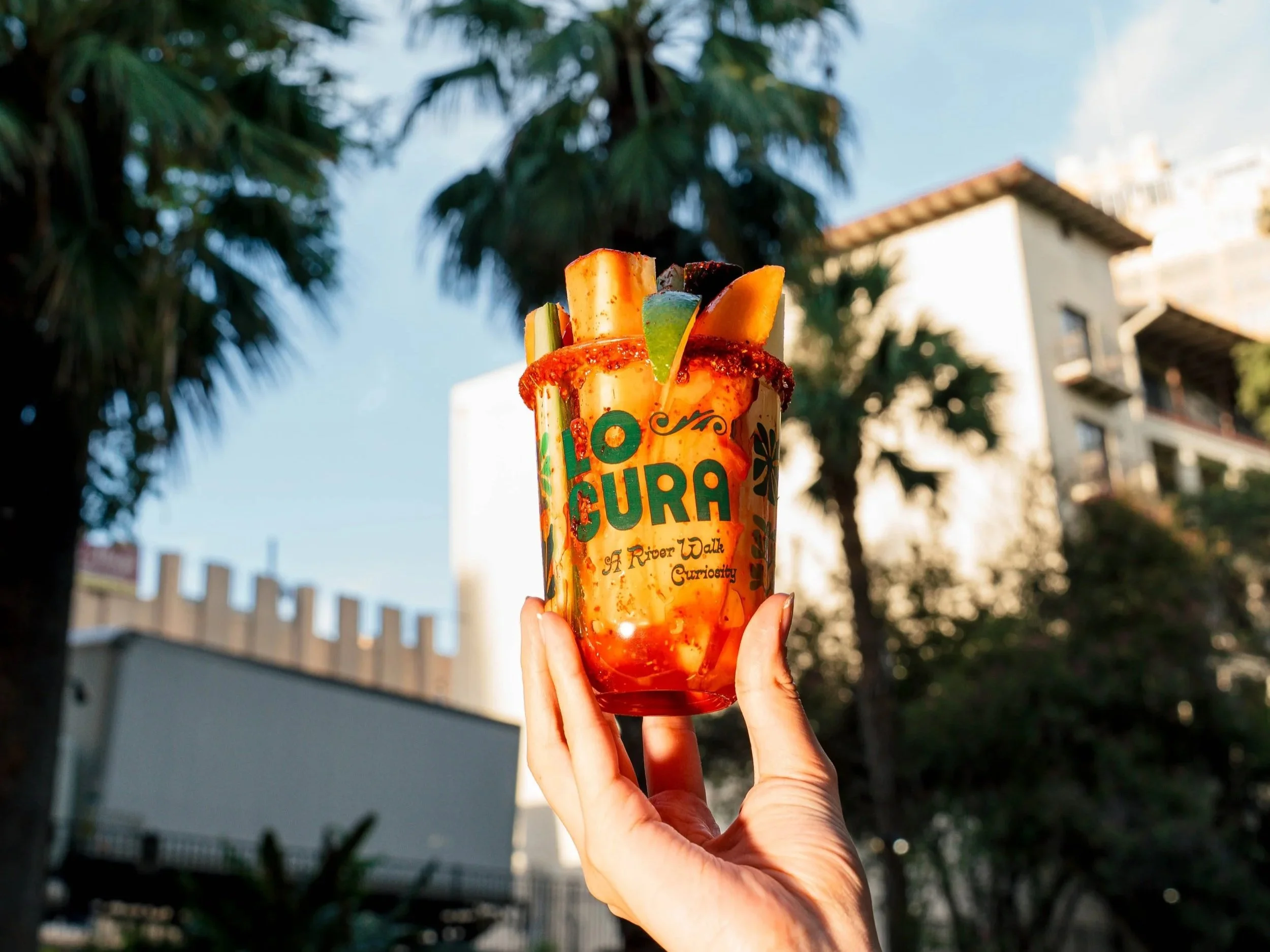
2. Cocktail and Beverage Photography
For restaurants with a strong bar program, beverage photography deserves its own attention.
Highlight signature cocktails, wine selections, specialty drinks, and interesting presentation details.
A beautifully styled cocktail can work as a standalone social media post or as part of a larger dining experience campaign.
3. Restaurant Atmosphere
Your space is part of your brand.
Photograph the dining room, bar, outdoor seating, patio, or rooftop during the times customers are most likely to visit.
If your restaurant is known for its evening atmosphere, a photoshoot during daylight hours may not fully communicate that experience.
Plan around the lighting and environment you want customers to see.
4. Lifestyle Photography
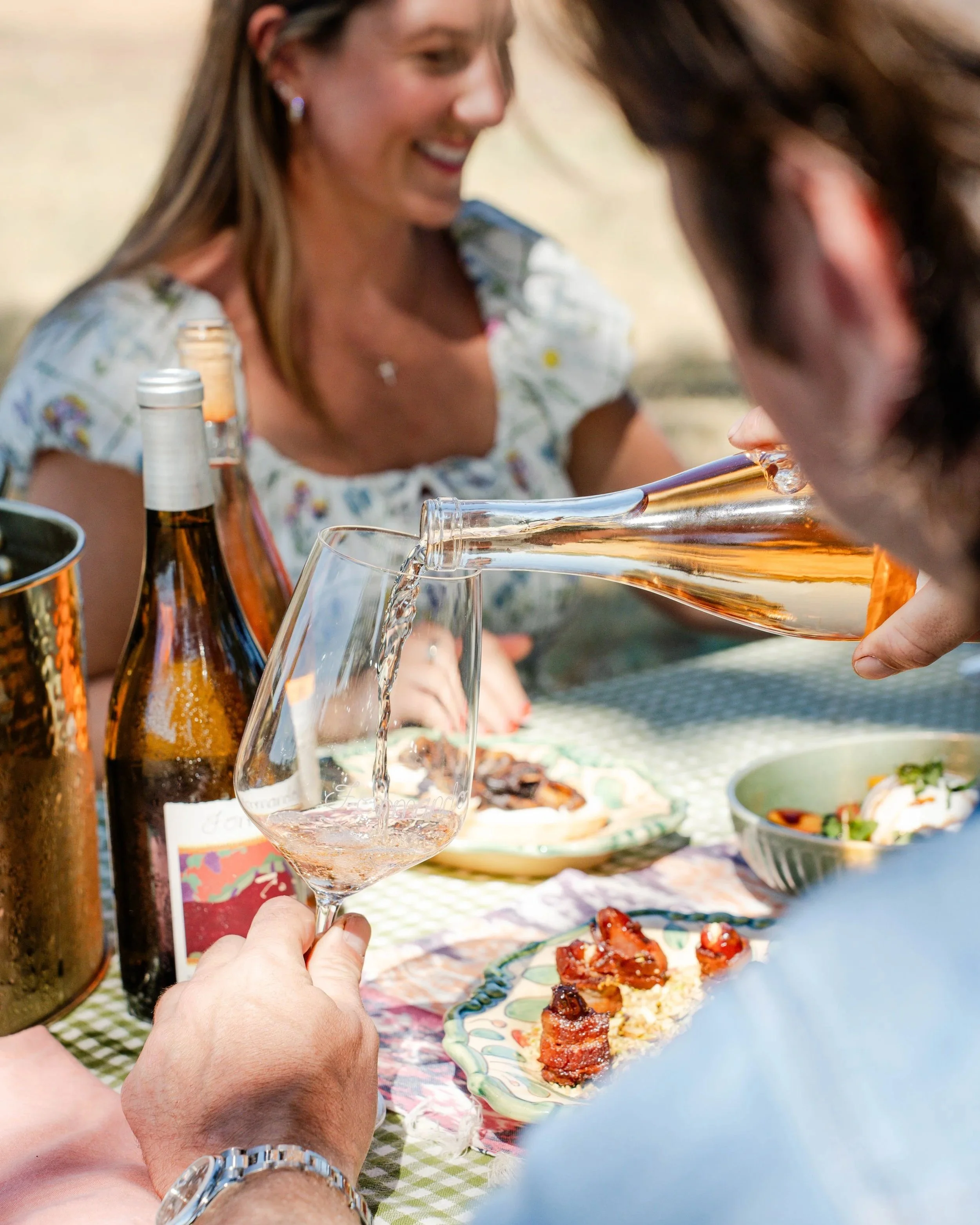
Lifestyle photography features people interacting naturally with your restaurant's environment.
Think friends sharing appetizers, a couple enjoying dinner, or guests raising their cocktails for a toast.
These images help potential customers imagine themselves experiencing your restaurant.
For hospitality businesses, that emotional connection is an important part of visual storytelling.
5. Team and Behind-the-Scenes Photography
Your team brings personality to your business.
Consider photographing chefs preparing dishes, bartenders mixing drinks, or staff members interacting with guests.
These images introduce the people behind the experience and create opportunities for more personal storytelling.
Professional Photography vs. Phone Photography: Which Is Better?
Both professional photography and phone photography have a place in restaurant marketing.
The right choice depends on how the content will be used.
| Professional Photography | Phone Photography |
|---|---|
| Ideal for websites and campaigns | Ideal for spontaneous updates |
| Greater control over lighting and composition | Quick and convenient |
| Useful for planned menu launches | Useful for daily Stories |
| Creates a consistent image library | Captures informal moments |
| Requires planning and resources | Easier for staff to capture |
Restaurants don't necessarily need professional photography for every post.
Phone content can be great for sharing quick updates, spontaneous moments, and behind-the-scenes Stories.
However, professional photography is particularly useful when the goal is to create a polished collection of images for long-term marketing use.
A combination of both can help restaurants maintain quality without losing authenticity.
How Can Restaurants Use Professional Photos Across Marketing Channels?
One of the biggest advantages of a professional photoshoot is the opportunity to use the images in multiple places.
Social Media
Use professional images for Instagram carousels, Facebook posts, event announcements, and promotional graphics.
A single photoshoot can provide content for multiple weeks when it includes enough variety.
Website and Online Menus
Your website should give visitors an accurate impression of your restaurant.
Professional images can highlight menu offerings, dining spaces, and private event experiences.
They can also support dedicated pages for reservations, catering, or special events.
Google Business Profile
Restaurant photos are also valuable for Google Business Profile.
Google recommends adding relevant images of a business's exterior, interior, products, and services to help customers understand what to expect.
For restaurants, that might include the dining room, signature dishes, and recognizable exterior features.
Advertising and Promotions
Professional photography can also support paid social campaigns, seasonal promotions, email newsletters, and event marketing.
Instead of starting from scratch whenever a new promotion launches, restaurants can draw from an existing collection of brand-appropriate images.
How Should Restaurants Prepare for a Professional Photoshoot?
A successful photoshoot starts before the camera comes out.
Here's a simple planning checklist:
Identify your goals. Are you promoting a new menu, refreshing your website, or building a monthly content library?
Create a shot list. Include specific dishes, drinks, spaces, and people you want photographed.
Choose the right time. Consider natural lighting, dinner service, and when your space looks its best.
Prepare your team. Make sure everyone involved understands the schedule and their role.
Plan for multiple uses. Capture both vertical and horizontal compositions for different platforms.
Review the final assets. Organize images so they're easy to find and reuse.
For example, a restaurant preparing for a seasonal menu launch might schedule food photography first, followed by lifestyle images featuring guests enjoying the new dishes.
This allows the restaurant to create a more complete promotional campaign from one shoot.
What Photography Mistakes Should Restaurants Avoid?
Even beautiful photography can fall short when it doesn't support the restaurant's goals.
Common mistakes include:
Only photographing food. Your menu matters, but so does the experience surrounding it.
Using inconsistent editing styles. Different lighting and color treatments can make a brand feel disconnected.
Forgetting the website. A restaurant may have excellent Instagram content but outdated images on its website.
Not planning ahead. Waiting until the last minute for seasonal promotions can limit the content available.
Overediting images. Food and interiors should still look recognizable when guests arrive.
The best photography accurately represents the business while presenting it at its best.
How Does Eat It Up Marketing Approach Hospitality Photography?
At Eat It Up Marketing, we approach hospitality content with the full guest experience in mind.
That means thinking beyond a single food photo and considering how different visuals work together to tell a brand's story.
When planning restaurant content, we look for opportunities to capture food, beverages, atmosphere, and natural interactions.
For example, a dinner-focused content shoot can include individual entrée photos, cocktail close-ups, a complete table spread, and lifestyle moments featuring guests enjoying the experience.
This creates a versatile collection of content that can support different marketing messages.
It's not just about capturing beautiful images. It's about creating visuals with a purpose.
Frequently Asked Questions About Restaurant Photography
Is professional photography worth it for restaurants?
Professional photography can be a worthwhile investment for restaurants that need consistent, high-quality visuals for websites, social media, advertising, and menu promotions. Its value depends on how effectively the images are used.
How often should restaurants schedule photoshoots?
The ideal frequency depends on menu changes, seasonal promotions, and content needs. Restaurants with frequent events or menu updates may benefit from more regular photography than businesses with largely unchanged offerings.
What should a restaurant photograph first?
Start with signature dishes, popular drinks, the dining environment, and distinctive features that help customers understand the experience.
Can restaurants use phone photos on social media?
Absolutely. Phone photography can be useful for casual updates, behind-the-scenes moments, and timely content. Professional photography can complement those images for more polished marketing materials.
Should restaurant photos include people?
Including people can help communicate the dining experience and show how guests interact with the space. Lifestyle photography is particularly useful for restaurants promoting date nights, celebrations, or group dining.
Can professional restaurant photos help with SEO?
Relevant, optimized images can support image search visibility and improve the usefulness of a webpage. Descriptive filenames, accurate alt text, and appropriate image sizes are important parts of image optimization.
Make Your Restaurant Look as Good Online as It Does in Person
Professional restaurant photography is an investment in how your business presents itself.
From showcasing signature dishes to highlighting the atmosphere guests love, the right images can support your brand across multiple marketing channels.
At Eat It Up Marketing, we believe great hospitality content should make people want to experience a business for themselves.
Ready to give your restaurant's content a refresh?
